
Picture this: It’s 2 AM, and the baby has decided it’s the perfect time to audition for a future career as a banshee. You’re exhausted, caffeine is no match for the wailing, and someone mentioned pacifiers as a possible solution. But can newborns really have pacifiers? Spoiler alert: Yes, they can. In this text, we’ll dive deep into the wonderful world of pacifiers for newborns. By the end, you’ll be ready to make an well-informed choice, and hopefully catch a few more z’s along the way.
Understanding Pacifiers: A Parent’s Guide
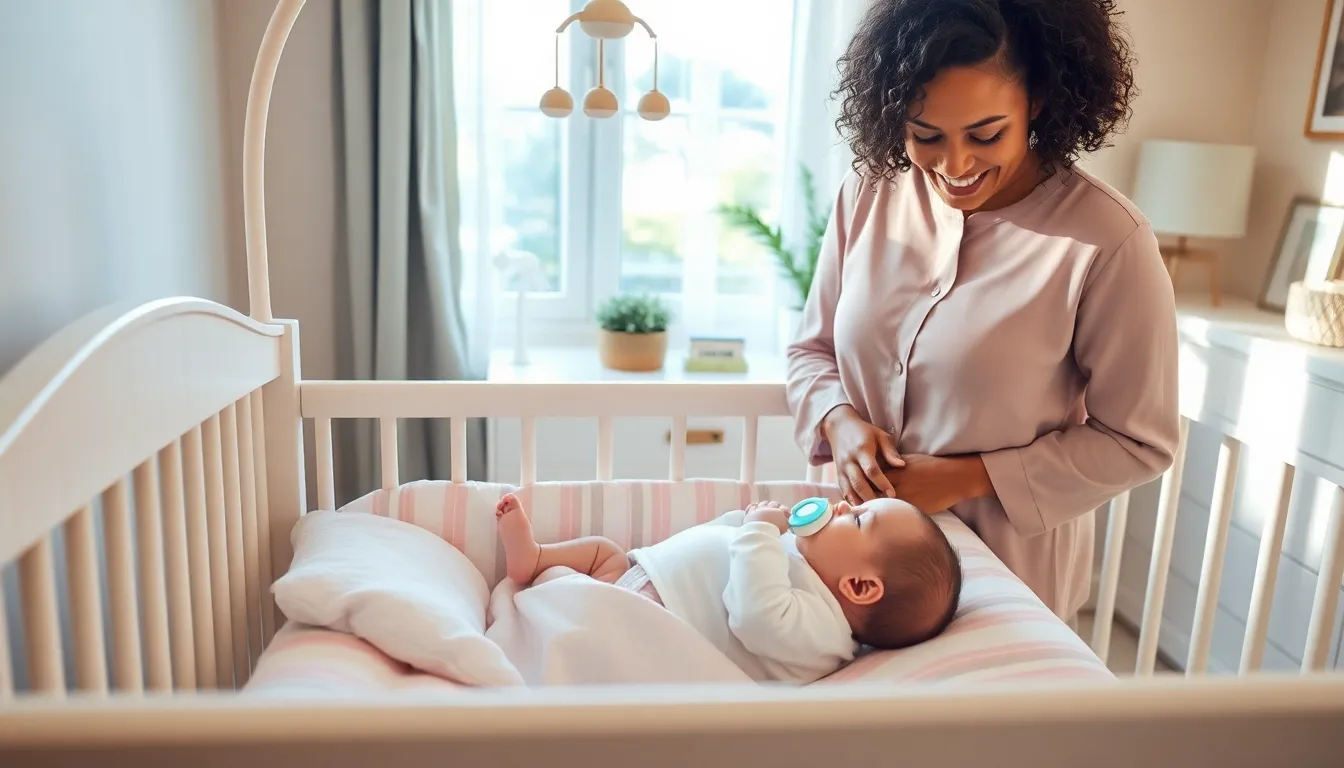
Pacifiers, often referred to as soothers, are simple tools designed to provide comfort to babies. They typically consist of a nipple, a shield, and a handle.
Newborns have an instinctual need to suck due to a natural reflex known as the sucking reflex. This reflex isn’t just about feeding: it serves to calm and soothe infants. So, incorporating a pacifier into the equation can make sense, right?
Choosing the right pacifier can feel overwhelming with the abundance of options on the market, ranging from different shapes to materials. While some pacifiers are made from silicone, others may feature latex, each with varying degrees of comfort and durability. What works for one baby might not work for another.
It’s crucial for parents to consider the developmental stages of their newborn. Pacifiers can be particularly useful in those first few months when babies tend to be more fussy or gassy. It’s like giving them a little tool to help manage their world, which can certainly take a load off parents.
Benefits of Allowing Pacifier Use in Newborns
When it comes to pacifiers, the benefits can be quite significant. First of all, they provide comfort. Sucking on a pacifier can help soothe a fussy baby. It’s almost like magic: one minute, a newborn is crying, and the next, they are calm, chilling out with their new favorite object.
Also, pacifiers can play a role in reducing the risk of Sudden Infant Death Syndrome (SIDS). According to several studies, infants who use pacifiers during sleep tend to have a lower chance of experiencing SIDS. Thoughts like these bring peace of mind to many parents.
Another bonus? Pacifiers can help with pain management during events like getting vaccinations. The sucking motion can distract babies and even minimize discomfort. Once again, what a little hero.
And let’s not forget the simple fact that they can help with sleep. Pacifiers can encourage longer sleep periods, which, let’s face it, parents will greatly appreciate. Less time spent in midnight screaming matches and more time in dreamland.
Potential Risks and Considerations
Of course, every silver lining has its cloud. There are some risks and considerations that parents need to keep in mind. First up is the potential for nipple confusion. If a baby is primarily breastfed, introducing a pacifier too early can lead to preference for the pacifier over breastfeeding. It’s vital to strike a balance for smooth feeding routines.
Also, long-term use of pacifiers may lead to dental issues. Studies show that keeping a pacifier past age two can misalign teeth and create bite problems. Parents should monitor usage and consider weaning at the appropriate time.
There’s also the hygiene aspect to consider. Pacifiers can be breeding grounds for germs if not cleaned properly. Always ensure that pacifiers are sanitized and not exposed to too much dirt and grime. Better safe than sorry.
Finally, it’s important to watch for dependency. While they can soothe and comfort, some newborns may become so attached to their pacifier that they struggle to settle down without it.
When and How to Introduce a Pacifier
Timing is everything when introducing a pacifier. Experts recommend waiting until breastfeeding is well-established, typically around three to four weeks. This allows babies to thrive with breast milk without the risk of nipple confusion.
Once that sweet spot is reached, introducing a pacifier can be a breeze. Start during calm moments rather than times of frustration. It’s like easing a baby into a cozy blanket rather than tossing them into a snowdrift.
Every baby is different: some may instantly accept the pacifier, while others will refuse it like it’s a broccoli-flavored candy. If your baby pushes it away, don’t fret. Keep trying: sometimes, it takes a little while for them to find that much-desired comfort.
Tips for Safe Pacifier Use
Safety is paramount when it comes to pacifiers. Here are some quick tips that every parent should keep in mind:
- Choose the Right Size: Make sure the pacifier is age-appropriate. A too-small pacifier can pose a choking hazard, while one that’s too big might be uncomfortable.
- Check Regularly: Inspect the pacifier for any signs of wear and tear. A cracked or damaged pacifier should be tossed immediately. No need to take any chances with your little one’s safety.
- Use the Right Materials: Opt for BPA-free pacifiers to ensure your baby is not exposed to harmful chemicals.
- Establish a Cleaning Routine: Regularly sanitize the pacifier, especially if it drops on the floor or falls out of your little one’s mouth.
- Monitor Usage: Ensure your baby isn’t too reliant on the pacifier for comfort, as it’s crucial to strike a balance.
Alternatives to Pacifiers
Some parents consider alternatives to pacifiers. Walk through the door of possibility with options such as:
- Finger Sucking: Many babies find comfort in their own fingers, which can be a natural alternative.
- Soft Toys or Blankets: These can serve as calming companions for little ones, making them feel secure.
- Swaddling: Wrapping a newborn snugly can mimic the coziness they felt in the womb.
- Gentle rocking or holding: Sometimes, all they need is a little TLC to soothe themselves.
Consulting with Your Pediatrician
The best thing parents can do is consult their pediatrician about pacifier use. Each baby is unique, and a healthcare provider can offer tailored guidance based on the baby’s health, feeding methods, and overall development. Open communication is key: they can help clear up any questions or concerns.

