
Ah, Filipino family traditions. Think of them as the spicy adobo of cultural practices: they add flavor, warmth, and a touch of sweetness to life. From sprawling gatherings that feel more like a reunion of the entire barangay to the deep-rooted values passed down through generations, these traditions are not just customs: they’re the very fabric that holds families together. In a world that rapidly changes, Filipino family traditions remain a vibrant part of the cultural tapestry. So, buckle up as we jump into why these traditions matter and how they’re keeping the Filipino spirit alive.
The Importance Of Family In Filipino Culture
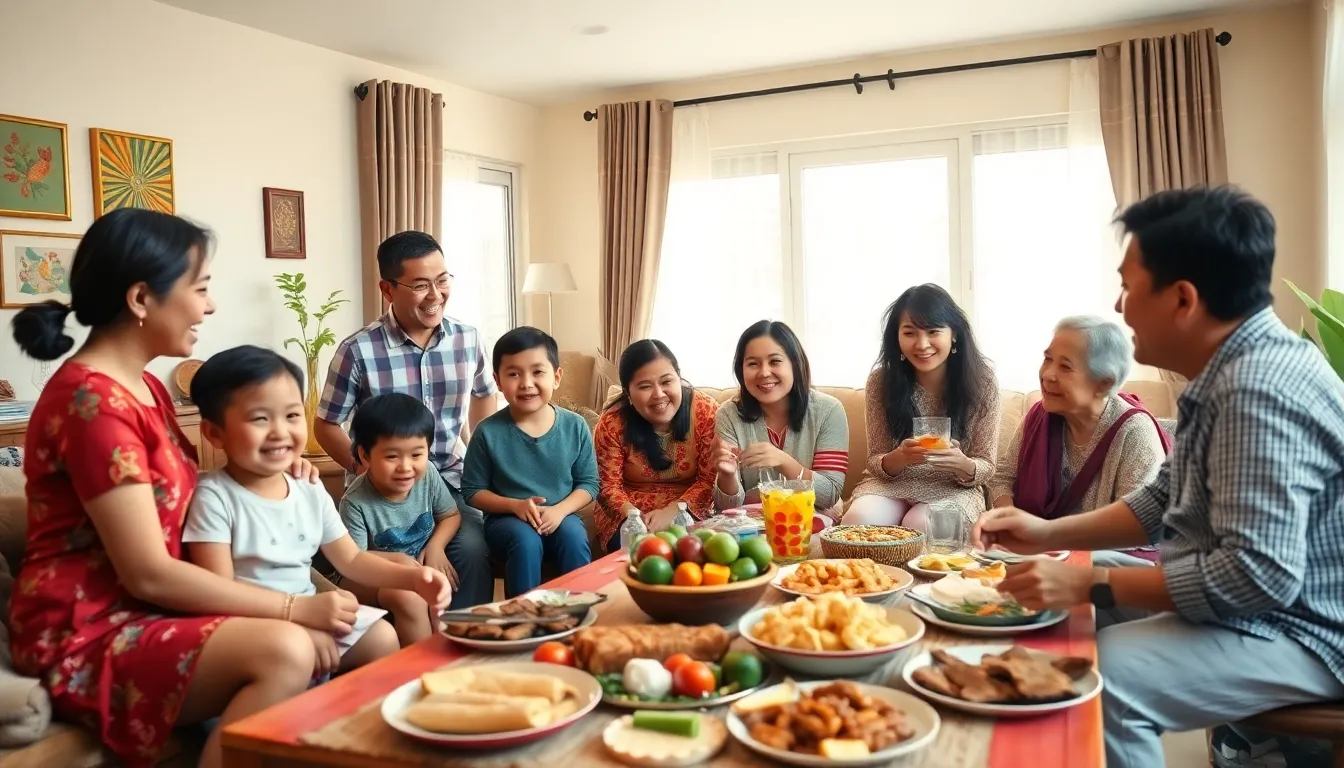
Family isn’t just important: it’s the cornerstone of Filipino culture. For many, family ties extend beyond the immediate household, embracing a vast network of relatives that includes cousins, aunts, and even close family friends. It’s not unusual to hear someone refer to a friend as a ‘brother’ or ‘sister’ due to the profound sense of kinship that defines Filipino relationships.
This emphasis on family isn’t something born out of necessity: rather, it stems from deeply ingrained cultural values. Many Filipinos believe that a person is never alone as long as they have family. Whether it’s for guidance during tough times or celebration during joyous occasions, family provides unwavering support. The family home often functions as a sanctuary where traditions are upheld, and love is exchanged freely. So, when one speaks of Filipino family traditions, they refer not just to customs but to an entire lifestyle that cherishes relationships above all else.
Values Instilled Through Traditions
Filipino traditions serve as a vehicle for instilling indispensable values within the family unit. Filial piety, or ‘paggalang,’ is one such value that emphasizes respect for elders. Children often learn to address their relatives using specific titles laden with respect, such as ‘Tita’ for aunt and ‘Tito’ for uncle, stressing the importance of honoring family relationships.
Another core value is ‘Bayanihan,’ which translates to communal unity and cooperation. This principle teaches the idea of helping one another, making family gatherings more than just social events: they become opportunities to bond through help and support.
Finally, the concept of ‘kapwa,’ meaning shared identity, reinforces that no one succeeds alone. Filipino family traditions encourage nurturing a sense of community that extends far beyond blood relations, so creating rich, multi-generational support systems.
Celebrations And Festivities
In the Philippines, every celebration is more than just a gathering. It’s a vibrant tapestry woven with music, laughter, and, of course, food.
Rituals Surrounding Life Events
Milestones such as birthdays, weddings, and baptisms are treated with great reverence. Expect elaborate celebrations that combine traditional elements with personal touches. For instance, during weddings, the ‘Money Dance’ is a unique ritual where guests pin money onto the couple, symbolizing financial support for their new journey together.
Holidays And Special Occasions
Filipinos don’t just celebrate holidays, they revel in them. Christmas is a grand spectacle, often beginning as early as September. Families gather to share Noche Buena, a feast on Christmas Eve that brings together loved ones for a night filled with laughter and heartwarming stories.
Religious Observances
Religious traditions also find their way into family customs. Whether it’s attending Mass together or participating in unique local festivals such as the Sinulog or Ati-Atihan, these observances deepen familial bonds and strengthen collective faith.
Family Gatherings And Dynamics
Family gatherings in Filipino culture are nothing short of spectacular. Think gigantic spreads of food, lively karaoke sessions, and unending conversations that echo across generations.
These gatherings provide a platform for sharing stories, whether it’s grandparents recounting tales of their youth or siblings debating who was the favorite child (spoiler alert: they all think it’s them.). It’s here that traditions are not just observed but actively lived and passed down.
The dynamics within a Filipino family often evolve with time. While there’s a strong respect for elders, younger generations are also beginning to play a pivotal role in maintaining these traditions. This interchange between the old and new allows Filipino family traditions to stay vibrant, breathing new life into time-honored practices.
Modern Influences On Traditions
With globalization sweeping across the world, Filipino traditions are evolving while still holding their essence. Technology has infiltrated family gatherings, with social media often being the medium through which families reconnect. Sharing photos from family reunions or milestones has become second nature, helping to nurture relationships even from afar.
Also, the fusion of diverse cultures due to migration is giving birth to new, hybrid traditions. For instance, some families might incorporate Western practices into Filipino celebrations, resulting in uniquely blended events that celebrate cultural diversity while honoring roots.
While modernity brings change, it simultaneously emphasizes the need for preservation, reminding families to cherish their origins even as they embrace the new.
Preserving Filipino Family Traditions
Preserving Filipino family traditions requires both effort and love. Families can keep these customs alive by actively involving younger members in traditions. Teaching children how to cook classic dishes or involving them in holiday preparations ensures that these practices never fade away.
Educational platforms focusing on Filipino culture also serve as great resources for families looking to infuse traditional values into daily lives. Workshops, community events, and even cooking classes provide engaging ways for families to learn about their heritage.
Also, as families migrate abroad, it becomes increasingly important to create communities that celebrate and uphold Filipino culture. Local organizations often host events that invite families to reconnect with their roots, ensuring that future generations have a deep understanding of their traditions.

