
When people think about Germany, they often conjure up images of beer steins, lederhosen, and maybe a whiff of bratwurst in the air. But beyond the festivities lies an incredible tapestry of family traditions that add depth to the culture. Ever wondered how family ties shape life in Germany? Let’s jump into the intriguing realm of German family traditions, where the past mingles with the present in delightful ways, giving a nod to history while keeping it refreshingly modern, so grab a pretzel and let’s explore.
Understanding the Importance of Family in German Culture
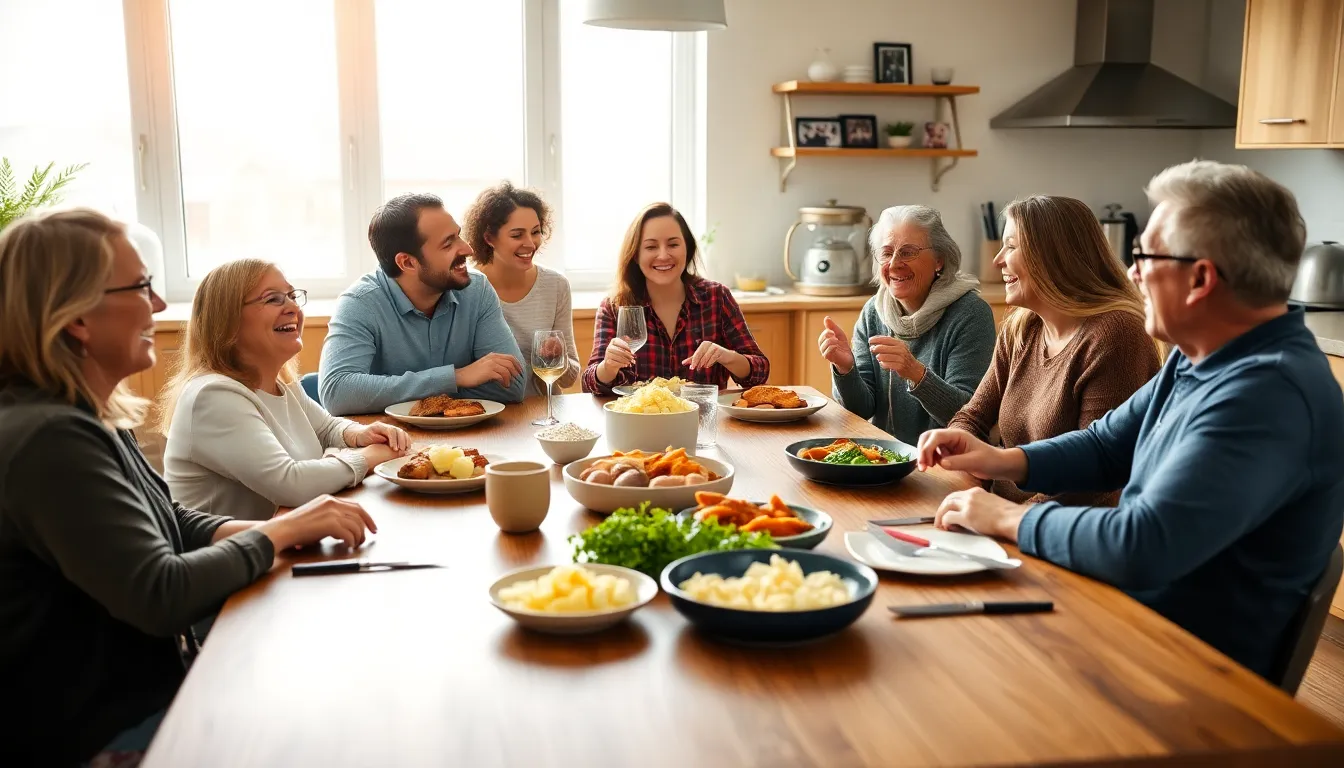
German culture is steeped in a profound respect for family, which serves as the backbone for social structure and personal identity. Families often come together not just during significant life events but also for everyday gatherings. These moments reinforce bonds that are unbreakable. It’s common for families to prioritize quality time, whether that’s sharing a meal or enjoying outings together, showcasing their commitment to nurturing relationships.
This emphasis on family resonates deeply with the concept of ‘Gemütlichkeit,’ a term that captures the essence of coziness and the warm enjoyment of being in a safe space with loved ones. For Germans, the family nucleus is more than just daily support: it’s a mindset that influences decisions, shapes social interactions, and fosters a sense of belonging.
Celebrations and Festivals
Celebrations in Germany are vibrant and rich in tradition, often revolving around family gatherings. Events like Christmas (Weihnachten), Easter (Ostern), and birthdays are deeply meaningful. During Christmas, families often set up the tree together, hang ornaments, and light candles as part of a ritual that has been passed down through generations.
The Easter Bunny (Osterhase) delivers chocolate eggs, a delightful tradition that excites children every spring. Birthdays, too, become grand affairs, where friends and family shower the celebrant with attention, not just for one day, but in heartfelt celebrations leading up to the event. Germans tend to hold parties or intimate dinners, a chance for families to come together, exchange gifts, and reflect on another year of life.
Common German Family Traditions
Family traditions in Germany run the gamut, showcasing diverse regional practices.
Traditional German Cuisine and Family Meals
Sharing meals plays a pivotal role in strengthening familial ties. Traditional dishes, like sauerkraut, schnitzel, and potato salad, are often the centerpiece during gatherings. Often, families gather around the table to enjoy hearty meals, sharing stories and laughter. Sunday lunch (Sonntagsessen) is particularly special, drawing both immediate family members and extended relatives together for culinary feasts. It is not just a meal but a time for connection, with recipes passed down as cherished family heirlooms.
On special occasions, it’s not uncommon for families to partake in a festive feast called Kaffee und Kuchen (coffee and cake) in the afternoon, reinforcing the importance of taking time to relax and enjoy each other’s company. This delectable ritual is a true highlight, allowing members to share both delicious treats and joyful conversations.
Role of Family in Education
Education in Germany is not just a matter of attending school: it deeply involves the family unit. German families often play an active role in their children’s education, instilling values of diligence and curiosity from a young age. Parents encourage learning through various means, from reading bedtime stories to facilitating study sessions during crucial school years.
Also, traditions like the first day of school (Einschulung) are celebrated with great fervor. Families often prepare a ‘Schultüte’ or school cone filled with goodies to make the day memorable for the child. This custom emphasizes the family’s support during educational milestones, illustrating that success in education is a collaborative effort.
Practices and Values Passed Through Generations
Values such as respect, loyalty, and hard work are instilled in children from an early age. German families often emphasize the importance of responsibility, both within the household and in society. Cultural traditions and values are not just told: they are experienced.
For example, an annual family trip may include visiting historical sites or participating in local festivals, offering a living history lesson. Children learn to appreciate their heritage through these experiences, making them proud of their roots. The practice of telling stories from past generations also ensures that history stays alive as a vital part of their identity.
Even beyond cultural traditions, there’s a strong focus on environmental responsibility, where families teach the importance of sustainability and caring for nature. These lessons often become a legacy passed from one generation to the next.

