
Imagine a place where family gatherings are the highlight of every week, filled with laughter, music, and stories that bridge generations. Welcome to Honduras, where family traditions aren’t just an afterthought, they’re the heartbeat of society. From vibrant festivals that explode with color to culinary delights that make your taste buds dance, Honduran culture has a proud history of familial unity. So, grab a plate of tamales and settle in as we explore the rich tapestry of Honduras family traditions.
The Importance of Family in Honduran Culture
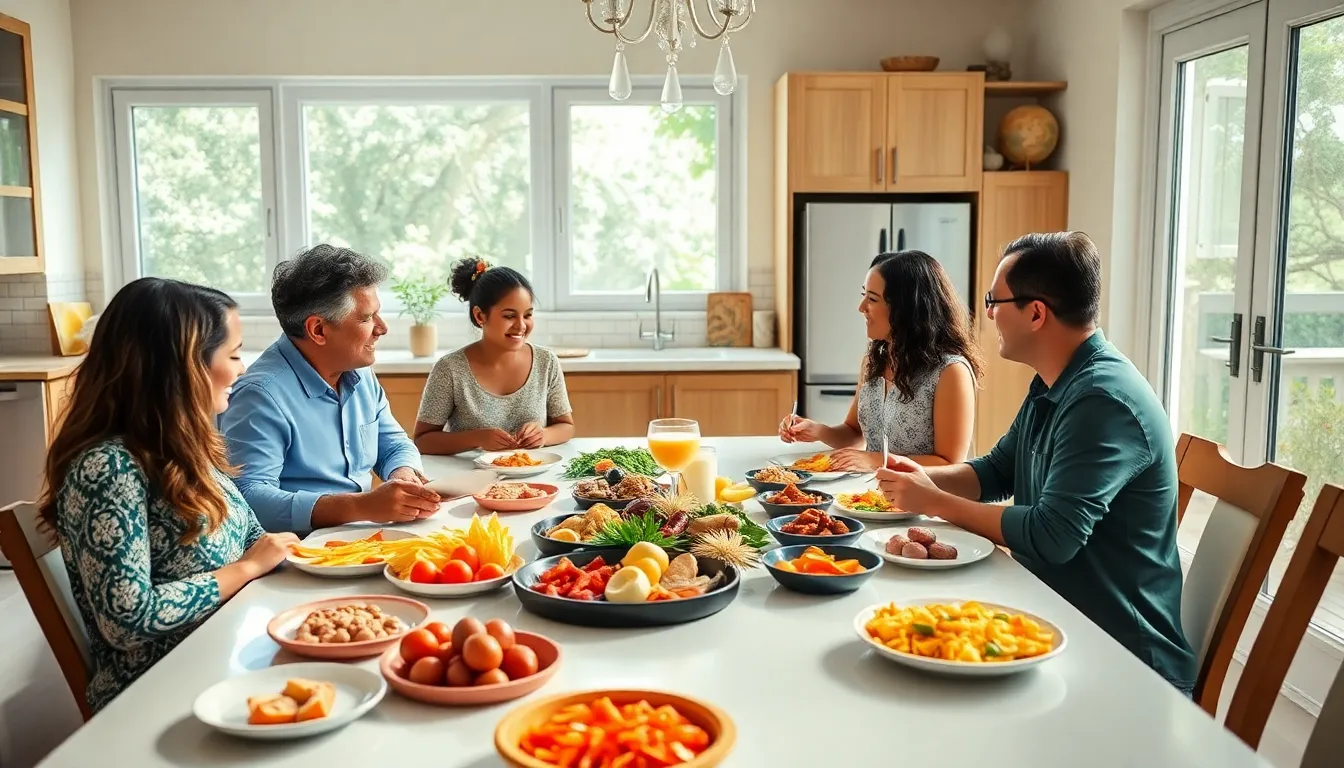
Family sits at the core of Honduran culture, a value that transcends mere obligation. In this beautiful country, family isn’t just who you share a home with: it’s a vast network of love that includes extended relatives and even close friends. Hondurans are known for their strong communal ties, reinforcing the idea that it takes a village to raise a child. Whether gathering for a casual Sunday lunch or celebrating important milestones, families play a crucial role in social cohesion and emotional support.
The bond within families often manifests in daily interactions. For instance, it’s common to see three generations together, each sharing their wisdom and life experiences. This relational dynamic nurtures a sense of identity and belonging, creating a solid support system that many people might envy. Also, it’s customary for family members to reside close by, fostering a nurturing environment that integrates both younger and older generations.
Traditional Celebrations and Festivals
Festivals in Honduras are nothing short of spectacular, acting as the perfect backdrop for families to bond. The most notable celebration is Honduran Independence Day, celebrated on September 15. It’s a day filled with patriotic parades, traditional dances, and, let’s not forget, plenty of delicious street food. Families come together to enjoy authentic dishes like pupusas and yuca frita, celebrating both culture and national pride.
Another prominent festival is La Feria Juniana, held in the city of San Pedro Sula. This week-long celebration showcases cultural events that include food fairs, concerts, and traditional folkloric performances. Families flock to the avenues, letting loose and celebrating life, reinforcing both traditional customs and family ties. It’s not just about fun: these festivals serve as a vital reminder of cultural heritage and its significance in family structures.
Culinary Traditions: Food and Family Gatherings
The kitchen often serves as the heart of the Honduran home. Meals are not merely about sustenance: they symbolize love, unity, and togetherness. Dishes like baleadas and tamales attract family members to the table, each contributing to the meal’s preparation. Cooking together creates an intimate setting that fosters communication and strengthens familial bonds.
Also, during special occasions, families often prepare traditional meals that require time, love, and a pinch of patience, or maybe just a dash of salt. Recipes are passed down through generations, often starting from grandmothers who are the primary custodians of family culinary secrets. When families gather, it’s not just a meal: it’s a cherished ritual, reinforcing traditions while creating new memories.
Religious Influences on Family Traditions
In Honduras, religion significantly influences family life, shaping traditions and values passed through generations. The majority of the population identifies as Roman Catholic, with Protestantism growing, enriching the country’s religious landscape. Religious ceremonies often serve as crucial family gatherings, marking pivotal life events such as baptisms, weddings, and confirmations.
Hondurans traditionally incorporate religious practices into daily life. Family members often pray together before meals or attend church services. Easter is particularly significant, with families observing Holy Week by participating in elaborate processions. These shared spiritual experiences deepen family connections and foster a sense of belonging, rooted in shared beliefs and practices.
Passing Down Customs: Oral Traditions and Storytelling
Oral traditions are vital in preserving Honduran culture, and families are often the first stage for these stories. Grandparents recount tales of bravery, folklore, and history that go back generations. In many households, evenings are spent gathered around a fire or at the dinner table, where family members share stories from their lives or cultural legends. This practice is not merely entertaining: it’s an educational experience that passes morals, wisdom, and cultural heritage to younger generations.
**Storytelling serves several purposes, ** it helps maintain cultural identity and offers a connection to the past, ensuring that traditions live on. Each family has its unique stories and legends, making gatherings feel special and alive with nostalgia.
The Role of Music and Dance in Family Life
Music flows through the veins of Honduran culture, and dance often complements it, especially during family gatherings. Traditional genres like Punta and Paranda bring families together, creating an atmosphere filled with rhythm and joy. performances often occur during festive occasions or even casual get-togethers, inviting everyone to participate.
In many families, children are taught traditional dances from a young age. These dance routines serve as both a form of expression and a historical narrative, embodying cultural values and community spirit. Whether it’s a simple gathering or a grand celebration, music and dance enhance familial interactions, reminding everyone of their strong ties and shared culture.

