
When you think of Italy, spaghetti, pizza, and maybe some vibrant street art come to mind. But let’s not forget the most important ingredient that spices up Italian life: family. In Italy, family isn’t just an important thing: it’s everything. Imagine Sunday dinners that stretch for hours, heartfelt toasts, and laughter echoing through the air. What you’re witnessing isn’t just a gathering: it’s a cherished tradition that reflects a rich culture. Ready to jump into the delightful world of Italian family traditions? Let’s peel back the layers, and you might just feel like joining the famiglia.
The Importance of Family in Italian Culture
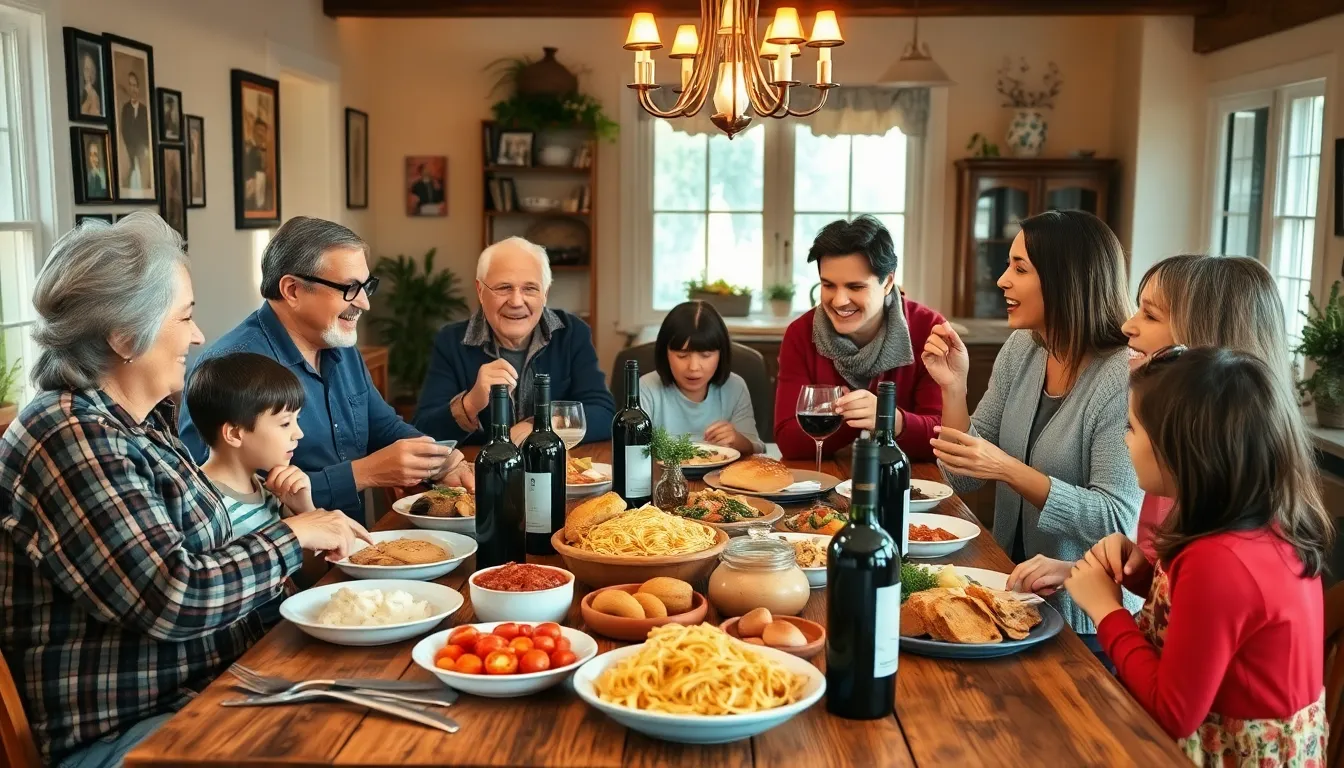
Family holds a central place in Italian culture, acting like the vibrant thread weaving through the fabric of society. From the bustling streets of Rome to the picturesque villages in Tuscany, the bonds among family members are celebrated and respected. Italian families often regard themselves as a tight-knit unit, where loyalty and support are paramount.
In large family gatherings, it is common to see multiple generations, grandparents, parents, children, and even great-grandchildren, all coming together. Each member contributes uniquely, whether it’s a cherished recipe from Nonna or the youthful enthusiasm of grandchildren. This inter-generational sharing not only fosters strong ties but also keeps traditions alive.
You see, in Italy, discussing family traditions is as common as discussing the weather. Social interactions often begin with questions like “How’s your cousin doing?” Conversations flow as freely as the wine, reflecting deep connections and love between family members. After all, what’s an Italian family without spirited debates and lots of laughter?
Overall, family is not just a social unit: it provides emotional support, nurtures culture, and strengthens community ties.
Celebrating Milestones and Life Events
Milestones hold significant weight in Italian families. Birthdays, weddings, and christenings are occasions that inspire elaborate celebrations. These events aren’t merely a chance to party: they’re heartwarming ceremonies that reinforce family bonds.
Take weddings, for example: they are grand events filled with singing, dancing, and enough food to feed a small army. Traditional customs, such as the throwing of rice to symbolize fertility and prosperity, grace the occasion. The festivities extend well beyond a single day, often turning into week-long celebrations involving numerous family members.
It doesn’t stop at weddings. In an Italian family, a child’s first birthday is treated as a momentous occasion. The event is graced with a lavish spread of food, highlighting not only abundance but also gratitude for family and friends. This reflects the collective spirit of togetherness that defines Italian culture.
These celebrations often involve rituals passed down through generations, allowing families to connect past, present, and future in joyous harmony.
Traditional Italian Meals and Gatherings
Italian meals are nothing short of an art form, combining love, tradition, and of course, incredible flavors. Gatherings often revolve around food, bringing family members together in a way that transcends mere sustenance. Picture this: a long table adorned with mouthwatering dishes, where everyone shares stories amid delicious aromas.
Each region boasts its own culinary specialties, but the heart remains the same. Recipes handed down through generations become a rite of passage, often with family secrets embedded within them. The age-old saying, “A tavola non si invecchia” or “At the table, one does not grow old”, perfectly captures the joy and vitality that Italian meals provide.
Many families adopt a multi-course format, starting with antipasti to whet the appetite, followed by pasta, a meat dish, and ending with delectable desserts. Sharing these dishes fosters a communal spirit that is at the core of Italian family life. Italian meals also serve as a platform for storytelling and passing on life lessons, further enriching the family experience.
Rituals and Customs Passed Down Through Generations
Rituals and customs form the backbone of family life in Italy, creating a rhythm that resonates through generations. Each family often possesses their own unique traditions, whether it’s a special way of celebrating Christmas or unique rituals for the Feast of Saint Joseph.
For many families, the preparation for events like Easter and La Befana is a significant part of the tradition. As the family comes together to bake and cook food, they share stories and laughter, imbuing the day with love and a sense of belonging.
Of course, adorning the table with family heirlooms or the specific way to position a dish can often evoke fond memories, showcasing the love that binds families together. In these moments, the focus is not only on the rituals themselves but also on the connections they foster, painting a picture of shared history and combined effort.
Religious Influences on Family Traditions
Religion plays a pivotal role in shaping Italian family traditions. Catholicism, being the dominant faith, weaves its way through various customs and celebrations. Many families mark religious festivals with great pomp and devotion, observing specific rituals that repeat year after year.
For instance, Christmas brings families together in more ways than one. The family tree is adorned with cherished ornaments passed down through generations, and traditional nativity scenes are lovingly set up. Midnight Mass on Christmas Eve is a common tradition, bringing families together in a shared experience of spirituality and reflection.
Similarly, baptisms and confirmations serve not only as important religious ceremonies but also as significant family events. Grandparents might reminisce about their own experiences, while parents take pride in their children’s spiritual milestones, making these events a tapestry of personal and collective history.
Regional Variations in Family Practices
Italy, with its rich tapestry of regions, showcases a variety of family traditions that reflect local customs and cuisine. While some traditions are pervasive throughout the country, there are delightful regional quirks that make each family unique.
In Northern Italy, families might emphasize traditions surrounding polenta, while Southern families often focus on pasta dishes. Notably, Sicily has its own unique set of customs, often influenced by its historical ties to various cultures.
These regional variations extend beyond food and encompass celebrations and gatherings as well. For instance, Carnavale, celebrated in Venice, stands in stark contrast to the more subdued festivals held in smaller towns. Understanding these traditions not only enriches the cultural experience but also highlights the diversity that exists within Italian family structures.
Honoring Ancestors and Family Legacy
In Italian families, honoring ancestors is an important aspect of maintaining a sense of identity. Families often share stories about their forebears, ensuring that memories live on across generations. It’s not unusual to see portraits of beloved grandparents or great-grandparents proudly displayed in homes.
Such practices serve to remind the younger generation of their roots and the values that shaped their family’s lineage. Celebrations like All Souls’ Day also serve as poignant reminders of family legacies and the importance of remembering loved ones who have passed.
The narrative of an Italian family is rarely singular. Instead, it’s a combination of tales, traditions, and communal experiences that stitch together a rich legacy. This emphasis on heritage fosters pride within families, encouraging members to contribute positively to their family’s narrative.

